
Paid CDL Training: How to Get Your CDL Free (and What You Trade for It)
By DriverStart Team · July 28, 2026 · 6 min read
A CDL is the single biggest pay unlock in driving work — road trucking quotes cents per mile and out-earns every app on our board. The catch is the license: private CDL schools run $3,000–$8,000 up front. The answer for most people starting from zero is company-sponsored training: a carrier pays for your CDL, you drive for them afterward.
How the programs work
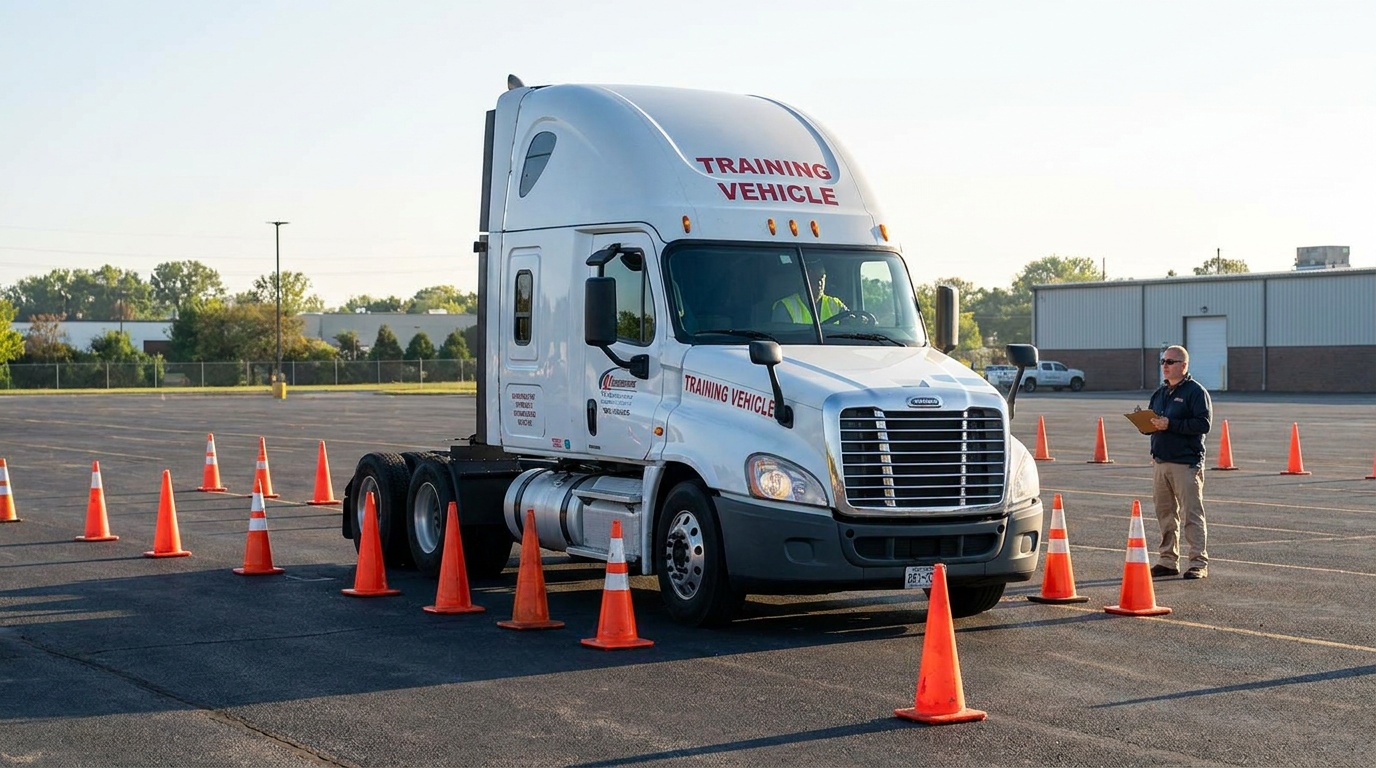
The big training carriers run their own schools or partner with one. The typical shape: 3–6 weeks of schooling (often with lodging covered and sometimes a training wage), you test for your Class A, then you go out with a trainer for several weeks before getting your own assignment. In exchange, you commit to driving for the carrier — usually 8 to 14 months. Leave early and the tuition converts to a debt you owe back, often prorated.
That commitment is the price. It's not hidden and it's not a scam — it's the deal. The carriers that run these programs are household names in freight precisely because the model works: they get drivers, you get a license that keeps paying for decades.
What to compare before you pick one
- The commitment length and the payback number. Get both in writing. A 12-month commitment against a $6,000 tuition is a very different bet than 26 months against $9,000.
- Training pay.Some carriers pay a weekly training wage from day one; others pay nothing until you're solo. That gap is 6–10 weeks of your rent.
- Home time after you're solo. Most training-carrier first jobs are OTR — weeks out. If you need home daily, look at regional and local postings once you have 6–12 months of experience; the license travels with you.
- What you'll actually gross the first year. Honest first-year numbers at training carriers cluster well below the veteran figures in ads. It's year two, at your second carrier, where the license starts paying properly.
- Lease-purchase pressure. If the same recruiter pitching free training immediately pitches leasing a truck, slow down and read our lease-purchase breakdown first. Train, drive company, then decide.
Who qualifies
Generally: 21+ for interstate driving (some intrastate programs take 18–20), a regular license in decent standing, and the ability to pass a DOT physical and drug screen. Recent DUIs and certain violations are disqualifiers. No experience is required — that's the entire point of the model, and it's why we push it to everyone landing on our no-experience page.
The watch-outs
- Never pay an unaccredited school thousands up front on a promise of “guaranteed placement.” State-listed schools, community colleges, and carrier programs are the legitimate paths — the rest is covered in our scams guide.
- Read what happens if you wash out mid-training or fail the test — some contracts still bill you.
- Confirm the school trains on the transmission you'll drive; an automatic-only restriction narrows your first jobs.
When you're ready, the trucking & CDL board carries live postings — company-driver roles and training-friendly listings included — checked against your market. Set a job alert there and openings come to you.
Find what's actually hiring near you: search your ZIP on the board — free, no account, verified companies only.